
Buy valves in Kenya for water, steam, oil, gas and refrigeration. Shop gate, ball, butterfly, globe, check, safety, air, solenoid and float valves plus Y strainers, grouped by type and size, then compare the main valve types below.
Shop by size
Shop by type
Gate and sluice valves
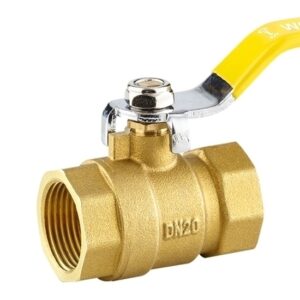
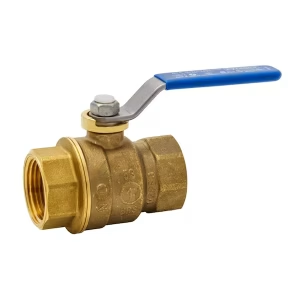
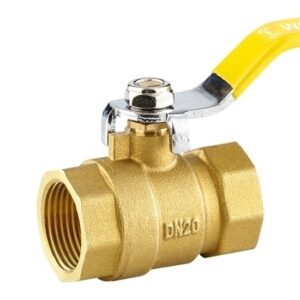
Ball valves
Butterfly valves
Globe, stop and control valves
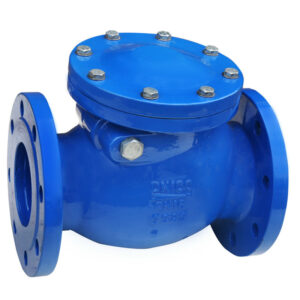
Check and foot valves
Safety, relief and pressure
Solenoid and refrigeration valves
Float valves and strainers
PPR and sanitary valves
Showing 1–24 of 102 results
Valve types compared
Each valve type does one job best. Use this table to match the valve to the duty before you choose a size.
| Valve type | Main job | Operation | Use for throttling? | Typical uses |
|---|---|---|---|---|
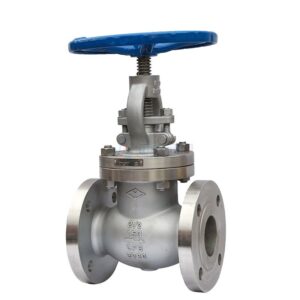
| Gate / sluice | Isolation | Multi-turn wedge | No | Water mains, pump lines, fire lines |
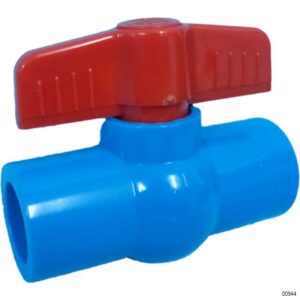
| Ball | Isolation | Quarter turn | No | Domestic water, gas, compressed air, small process lines |
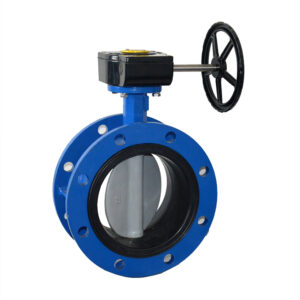
| Butterfly | Isolation, rough regulation | Quarter turn, lever or gear | Limited | Large water lines, HVAC, pump stations |
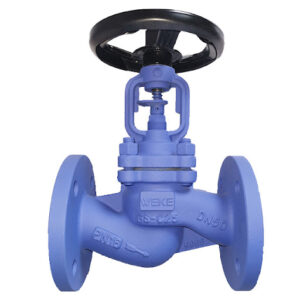
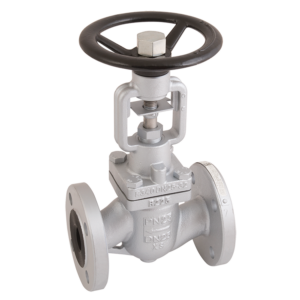
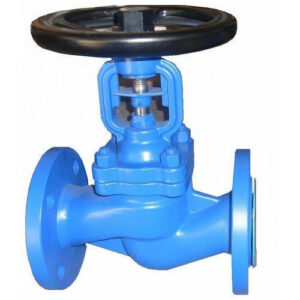
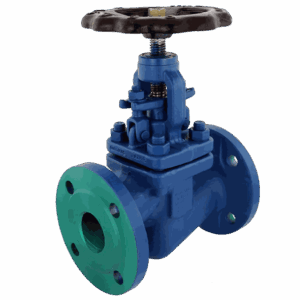
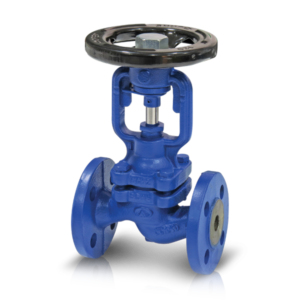
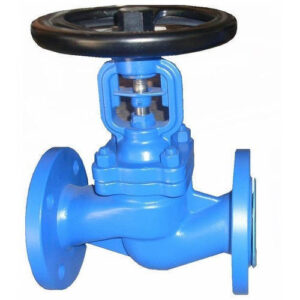
| Globe / stop | Flow control | Multi-turn plug on seat | Yes | Steam, boiler feed, cooling water |
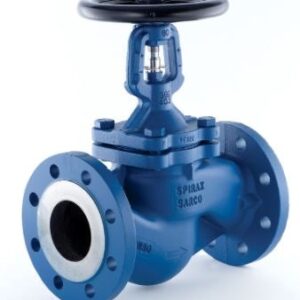
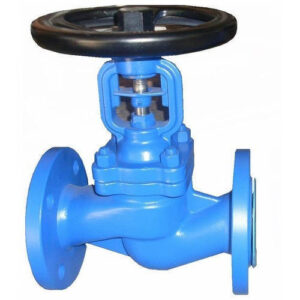
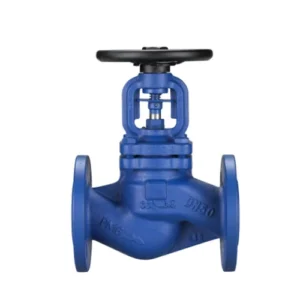
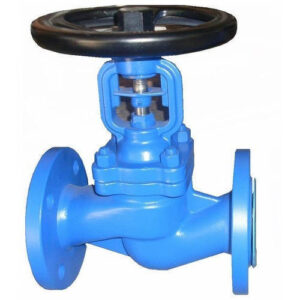
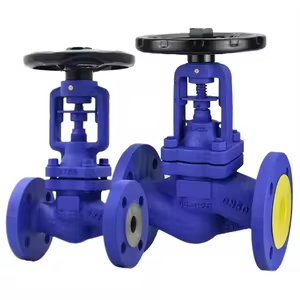
| Bellow seal | Isolation or control with a sealed stem | Multi-turn | Depends on design | Steam and thermal oil where stem leaks must be avoided |
| Check / non-return | Stops backflow | Automatic | No | Pump discharge, boreholes, boiler feed |
| Foot valve | Holds pump suction prime | Automatic | No | Suction lines of surface pumps |
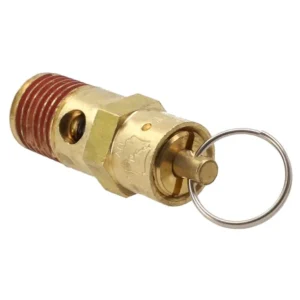
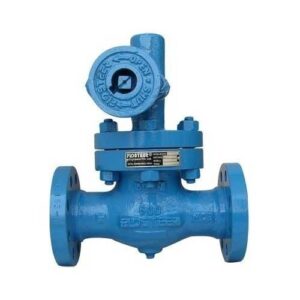
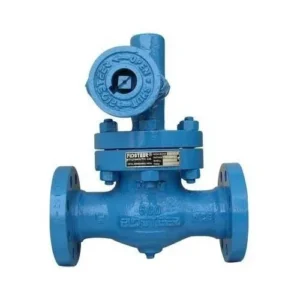
| Safety / relief | Releases excess pressure | Automatic, spring set | No | Boilers, pressure vessels, compressors, hot water cylinders |
| Pressure reducing | Lowers downstream pressure | Automatic | Self-regulating | Building water supply, steam distribution |
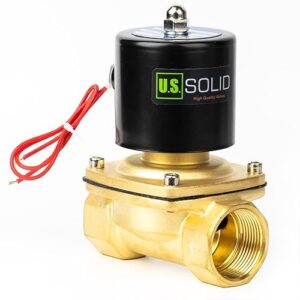
| Solenoid | Remote on/off | Electric coil | No | Refrigeration, burners, water treatment, automation |
| Air valve | Releases trapped air | Automatic float | No | High points on water mains and heating systems |
| Y strainer | Catches debris | Passive screen | No | Before pumps, meters, control valves and steam traps |
Valve body materials compared
| Material | Suits | Notes |
|---|---|---|
| Brass / bronze | Water, air, gas in small sizes | Threaded ends, common up to about 2 inch |
| Cast iron / ductile iron | Water, HVAC, fire lines | Usually flanged, larger sizes |
| Cast steel (WCB) / forged steel | Steam, hot oil, higher pressure | Check the class rating on the body |
| Stainless steel | Food, chemical, hygienic lines | Tri-clamp and sanitary designs available |
| PPR | Hot and cold water in PPR systems | Heat fused into the pipework |
| Copper | Refrigeration and copper water lines | Brazed or threaded |
Read the full guide: types of valves and their uses. Pair flanged valves with matching flanges and gaskets.
Frequently asked questions
Which valve should I use to isolate a water line?
A gate valve or ball valve. Ball valves close in a quarter turn; gate valves give a clear bore when open. Neither should be left half open to control flow.
Which valve is best for controlling flow?
A globe valve is designed for throttling. Butterfly valves can give rough regulation in larger sizes.
What is the difference between a check valve and a foot valve?
Both stop backflow. A foot valve sits at the bottom of a pump suction line and has a strainer, so it keeps the pump primed. A check valve is fitted in the delivery line.
Why choose a bellow seal valve for steam?
A metal bellows seals the stem, so steam cannot escape through the gland packing. This reduces leaks and maintenance on steam and thermal oil lines.
What does PN16 mean on a valve?
PN16 is a nominal pressure rating used for European-style flanged valves. Always check the pressure and temperature limits on the valve body or data sheet.
Where should a Y strainer be fitted?
Upstream of pumps, meters, control valves, solenoid valves and steam traps, with the screen facing down on horizontal lines.
Can I use a water valve on a steam line?
Only if the valve is rated for the steam pressure and temperature. Steam normally needs cast steel or forged steel valves with suitable seals.
How do I order valves?
Send the type, size, pressure rating, end connection and quantity on WhatsApp 0726 086 895 and we will confirm availability.
Need valves? Send the type, size and quantity on WhatsApp 0726 086 895 or email sparksplumbingexperts@gmail.com, and we will confirm what is available from Enterprise Road, Industrial Area, Nairobi.